
Eyes Up. Phone Down. Every Trip.
We all have busy schedules, but a vehicle is not the place to manage texts, calls, or to-do lists. Distracted driving takes your eyes, hands, or mind off the road — and even a brief lapse in attention can lead to a crash. Don’t risk it. Focus on driving and get home safe.
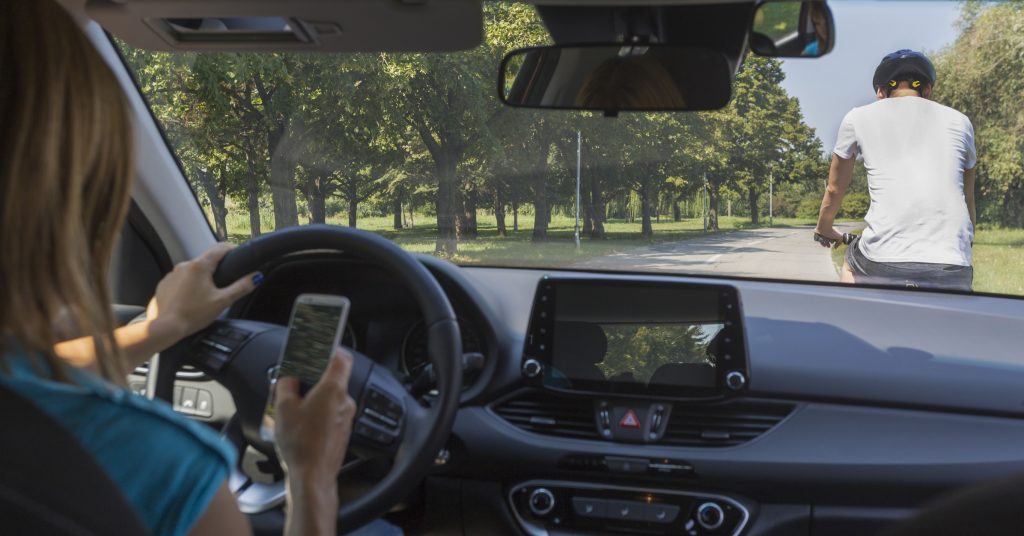
Distracted driving is any activity that takes your attention away from driving. It doesn’t only mean texting — it includes anything that pulls your eyes, hands, or mind away from the road.
Drivers who use their phones behind the wheel are about 240% more likely to crash compared with undistracted drivers, according to the Governors Highway Safety Association (GHSA).
Distraction falls into three categories:
- Visual – Looking at something other than the road
- Manual – Removing one or both hands from the wheel
- Cognitive – Thinking about something other than driving
Common examples include texting, using a handheld phone, adjusting GPS or music, eating, reaching for items, or interacting with passengers. Texting is especially dangerous because it involves all three types of distraction at once.
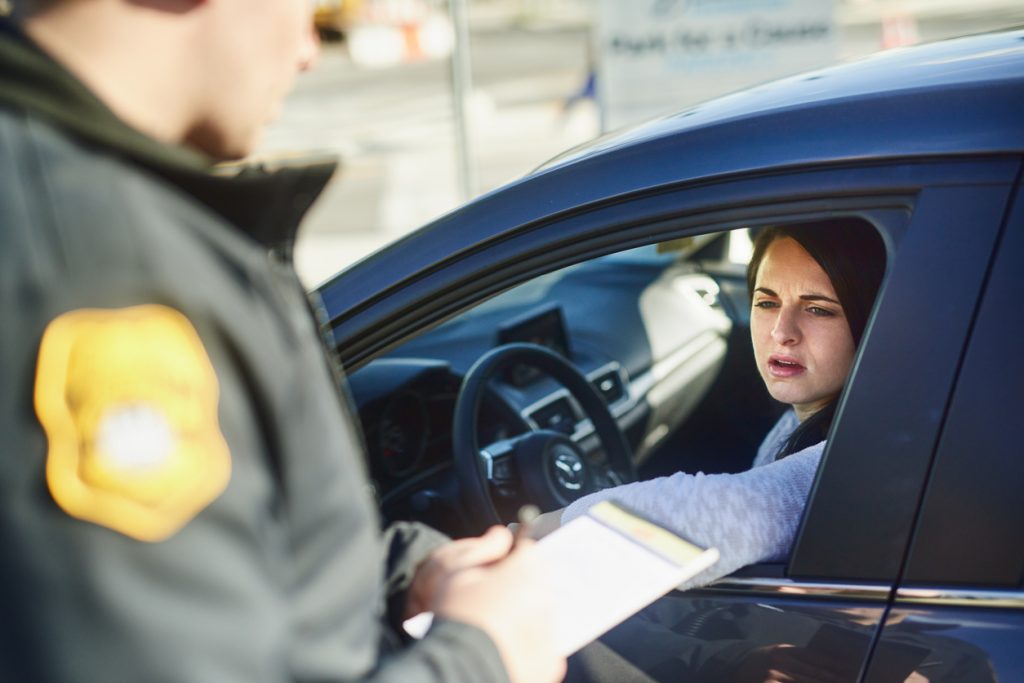
Did you know? New Jersey prohibits handheld cell phone use while driving. Drivers may not text or use a handheld device to access calls, social media, or the internet.
Hands-free devices are permitted, but they can still create cognitive distraction.
Penalties increase with repeat offenses:
- First offense: $200–$400 fine
- Second offense: $400–$600 fine
- Third or subsequent offense: $600–$800 fine, motor vehicle points, and possible license suspension
It’s not worth the fine or the risk.
Learn more through the NJ Division of Highway Traffic Safety here.
Distractions often happen in everyday moments — a quick reply to a text, changing a song, checking directions, or answering a call. Those small decisions add up.
Simple steps can make a difference:
- Set your GPS and music before you put the car in drive
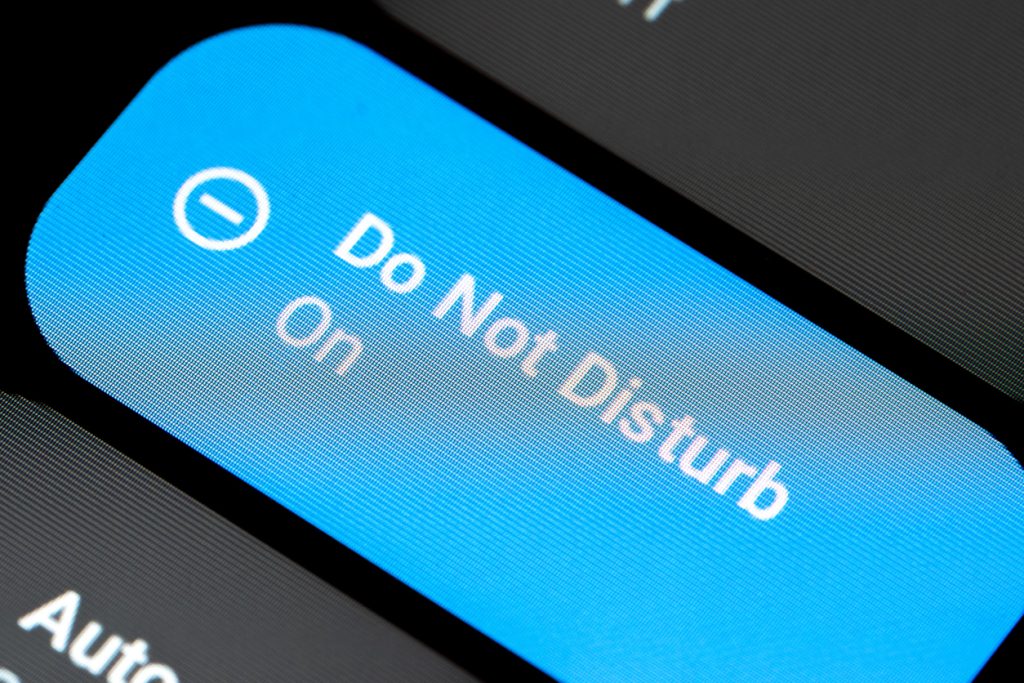
- Turn on “Do Not Disturb” mode so notifications don’t tempt you
- Keep your phone out of reach, not in your lap or cup holder
- Avoid using in-vehicle texting or messaging features — even hands-free systems can take your mind off the road
- If something needs attention, pull over safely
- Let passengers handle navigation or messages when possible
A message can wait. Staying focused helps everyone get home safely.