
Slow Down. Save Lives.
Speeding isn’t just driving over the posted limit. It also means driving too fast for road conditions, traffic, weather, or visibility.
According to the National Highway Traffic Safety Administration (NHTSA), speeding is a factor in nearly one-third of traffic fatalities nationwide. Higher speeds reduce reaction time and increase crash severity making serious injury or death more likely.
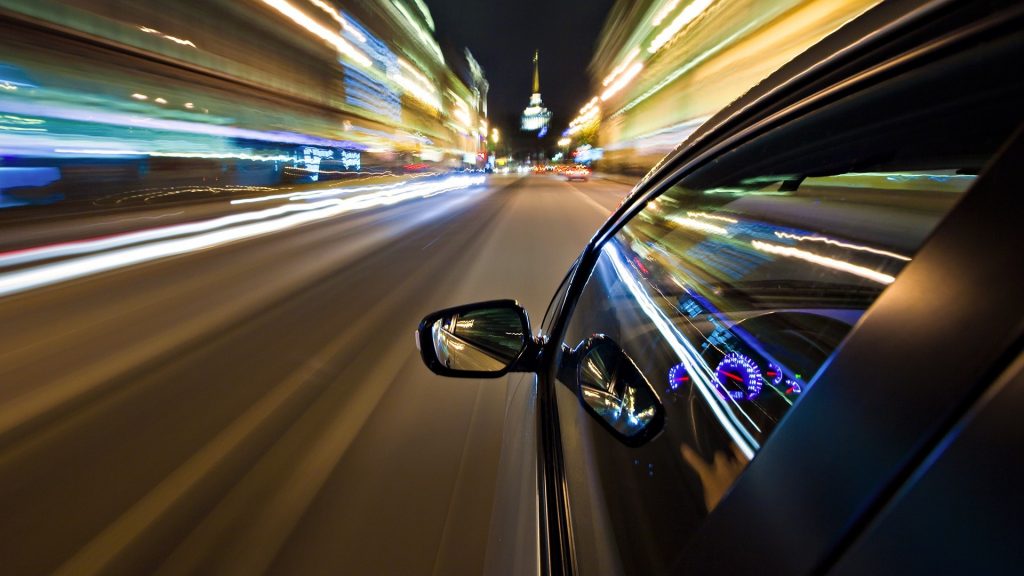
The faster a vehicle travels:
- The less time a driver has to react
- The longer it takes to stop
- The greater the force of impact in a crash
Speed also affects people outside the vehicle. Research shows that a pedestrian struck at 20 mph has about a 10% risk of death, while at 40 mph the risk of death increases to roughly 85%. Small increases in speed dramatically reduce a person’s chance of survival.
Speeding is often linked with aggressive driving behaviors such as tailgating, unsafe lane changes, and running red lights.
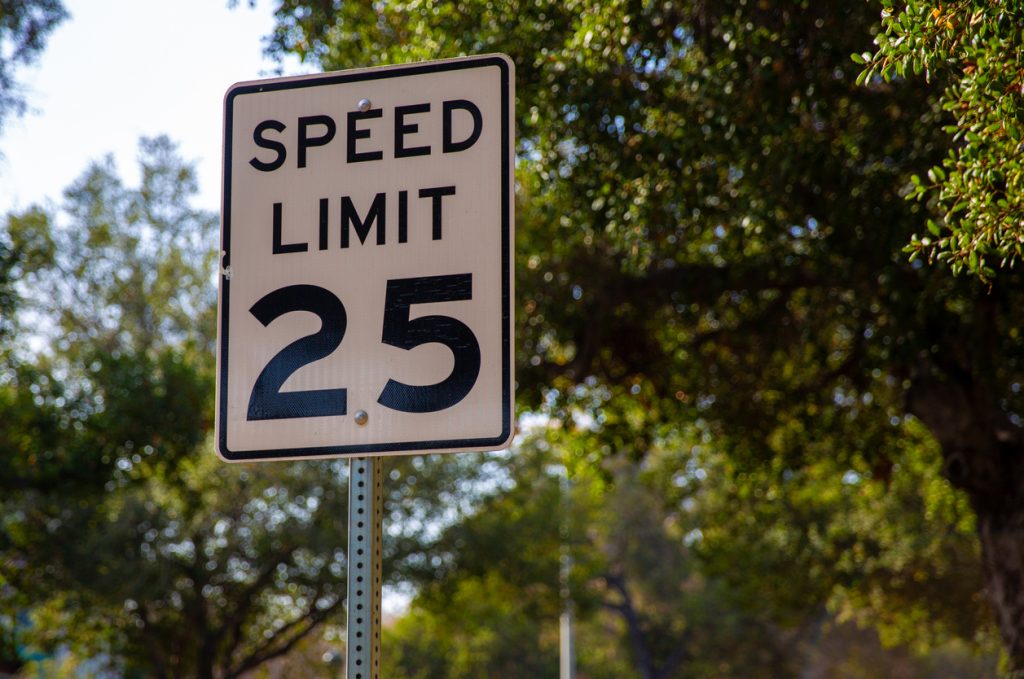
New Jersey sets maximum speed limits by roadway type, with many highways posted at 55–65 mph unless otherwise indicated.
Drivers may not:
- Exceed posted speed limits
- Drive too fast for weather or traffic conditions
- Engage in aggressive driving that endangers others
Fines & Penalties
Speeding violations can result in:
- Fines that increase based on how many miles per hour over the limit
- Motor vehicle points
- Insurance increases
- Possible license suspension for excessive points
School zones and construction zones may carry enhanced penalties.
- Leave earlier to avoid rushing
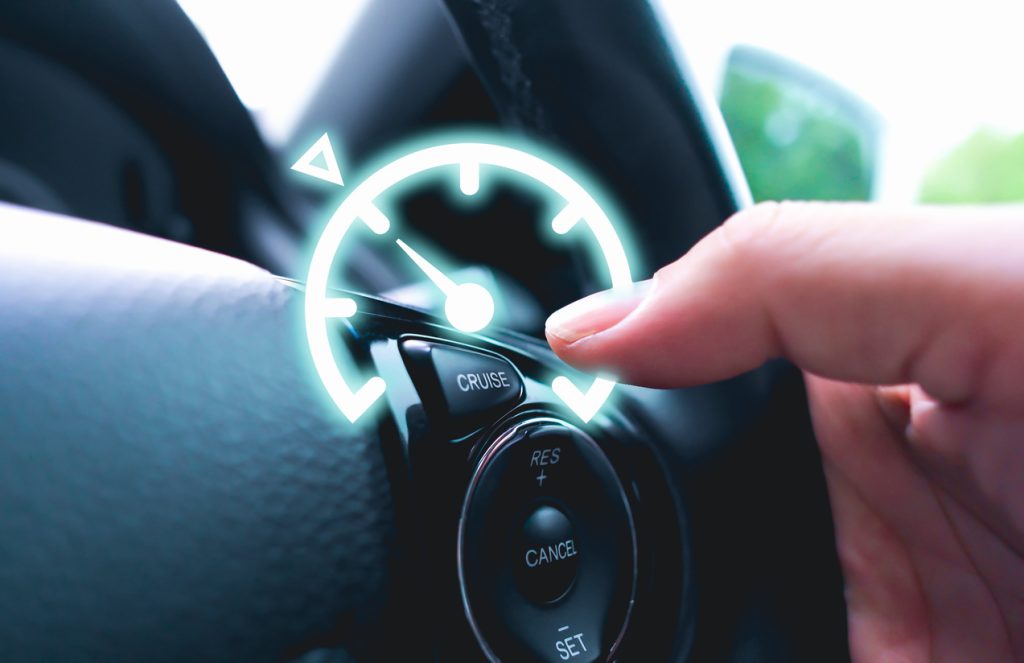
- Use cruise control on highways when appropriate
- Slow down in neighborhoods, school zones, and high pedestrian areas
- Adjust speed during rain, snow, or low visibility
Encourage friends and family to drive safely. Have conversations with teens, parents, and loved ones about why slowing down matters. Modeling safe driving habits helps set expectations for everyone in the vehicle.
Speed limits are set for safety not convenience. Slowing down protects you, your passengers, and everyone sharing the road.