
Every Road User Matters.
New Jersey’s roads are shared by drivers, motorcyclists, bicyclists, pedestrians, school buses, and emergency vehicles. Some road users have far less protection than those inside a vehicle, which makes awareness and caution critical.
Motorcyclists, cyclists, and pedestrians are especially vulnerable in crashes. A moment of inattention or a failure to yield can result in life-changing consequences.
Safe roads require mutual respect and shared responsibility.
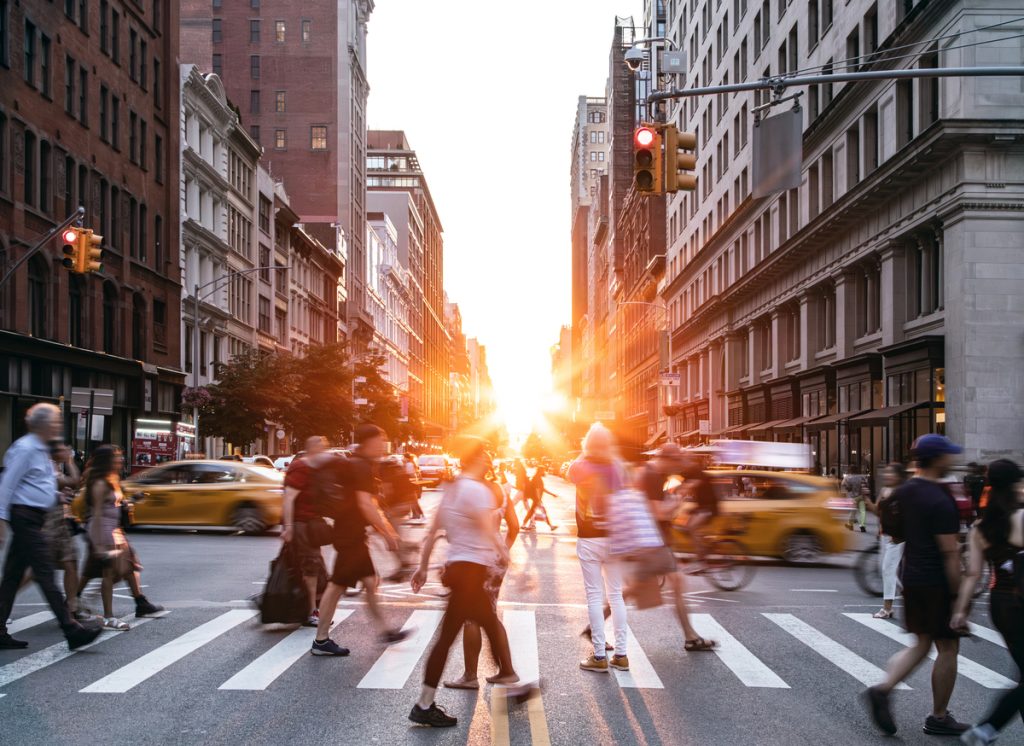
Drivers regularly share the road with:
- Motorcyclists, who are smaller and less visible
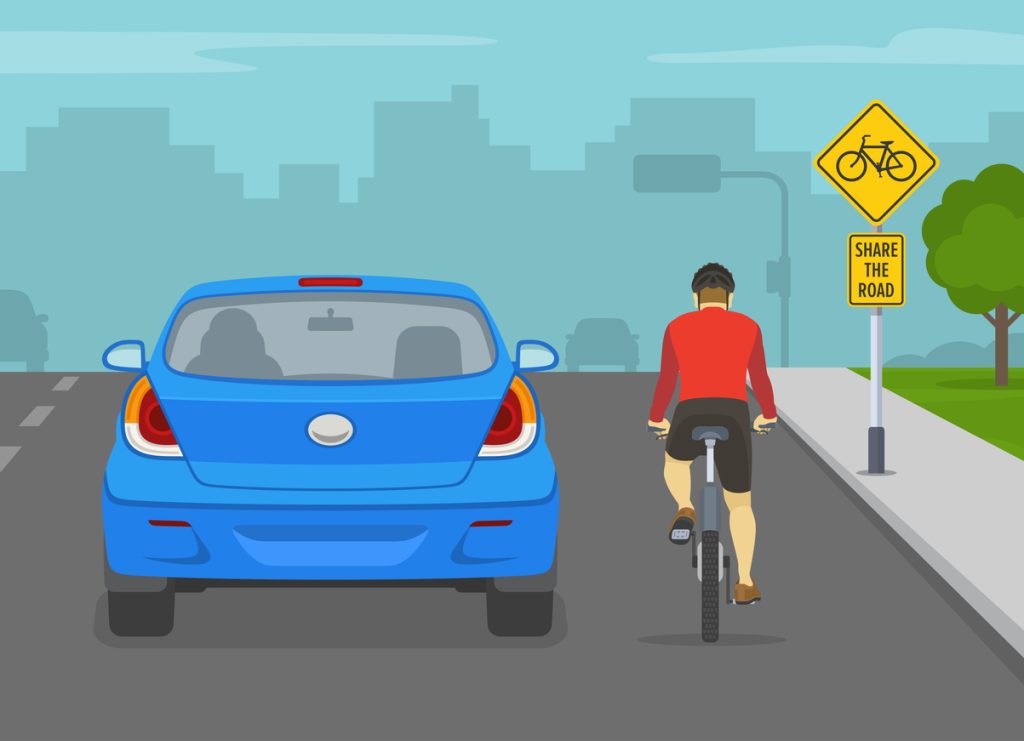
- Bicyclists, who have the same rights and responsibilities as drivers
- Pedestrians, including children, older adults, and individuals with disabilities
- School buses, transporting students
- Emergency and service vehicles, stopped on the roadside
Being alert and anticipating the presence of others helps prevent crashes.
Below are key New Jersey laws designed to protect all road users. Understanding them helps keep everyone safer.
Safe Passing Law (N.J.S.A. 39:4-92.4)
Enacted in March 2022, this law was created to better protect vulnerable road users such as pedestrians, cyclists, and motorcyclists. A motorcycle or bicycle can be easy to miss, and even a small miscalculation can have serious consequences. Drivers must move over one lane when possible, or slow down and leave at least four feet of space when passing. Violations may result in fines and motor vehicle points.
Learn more through the NJ Safe Passing Law Resource Center.
Move Over Law (N.J.S.A. 39:4-92.2)
Emergency responders, tow truck operators, and highway workers stand just feet away from live traffic while helping others. This law requires drivers to move over or slow down for stopped emergency and service vehicles displaying flashing lights. Failure to comply can result in fines and points. Creating space protects those who are working to keep our roads safe.
Learn more about the Move Over Law.
Stop and Stay Stopped Law (N.J.S.A. 39:4-36)
Crossing the street can feel intimidating, especially for children and older adults. New Jersey law requires drivers to stop and remain stopped for pedestrians in marked crosswalks and at intersections. Violations can result in fines and motor vehicle points. Yielding fully gives pedestrians the time and visibility they need to cross safely.
Learn more about pedestrian safety laws.
School Bus Safety Law (N.J.S.A. 39:4-128)
Children entering or exiting a school bus may not always anticipate traffic. Drivers must stop for school buses displaying flashing red lights and extended stop arms. Penalties may include substantial fines and motor vehicle points. Stopping completely helps protect students during one of the most vulnerable moments of their day.
Learn more about New Jersey’s school bus safety requirements.
Sharing the road requires patience, awareness, and respect for everyone around you. Looking out for others can prevent serious crashes and injuries.
- Check blind spots carefully before turning or changing lanes
- Look twice for motorcycles and smaller vehicles
- Yield fully to pedestrians in crosswalks
- Give cyclists adequate space when passing
- Slow down in school zones and high pedestrian areas
- Be patient near buses, delivery vehicles, and roadside workers
Encourage friends and family to look out for others, too. We all deserve to get home safely, no matter how we travel!