
Stay Alert. Stay Sober. Stay Alive.
Driving requires clear judgment, fast reaction time, and full attention.
Alcohol, drugs, certain medications, and even fatigue can interfere with those abilities — putting you and others at serious risk.
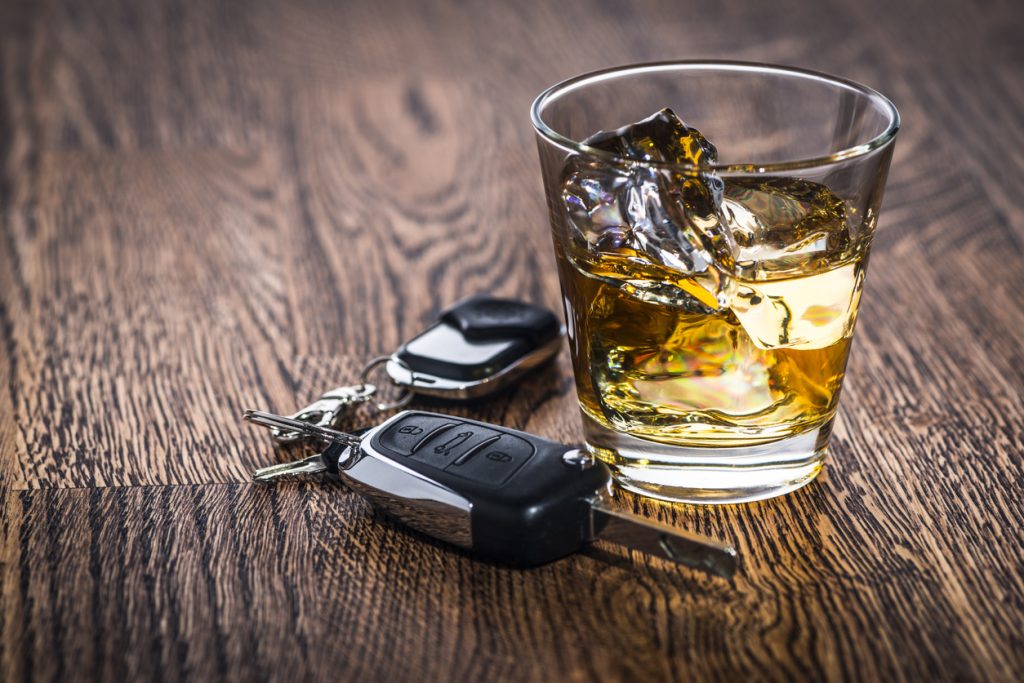
Impairment includes anything that reduces your ability to operate a vehicle safely.
This can include:
- Alcohol
- Cannabis (even though legal for adults 21+)
- Illegal drugs
- Prescription medications that cause drowsiness or slowed reaction
- Over-the-counter medications (sleep aids, antihistamines)
- Extreme fatigue
If it affects your alertness, coordination, or decision-making, it affects your driving.
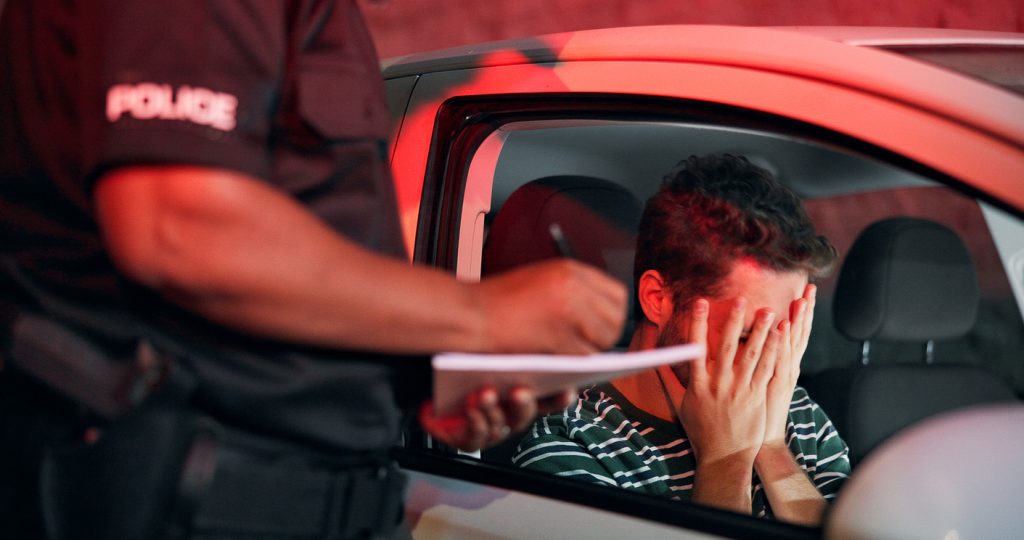
In New Jersey, it is illegal to drive while under the influence of alcohol or drugs — including cannabis. Impairment slows reaction time, affects judgment, and increases crash risk.
For drivers 21 and older, the legal blood alcohol concentration (BAC) limit is 0.08%. For drivers under 21, New Jersey enforces a strict 0.01% zero-tolerance limit, meaning even a small amount of alcohol can result in penalties.
Alcohol affects everyone differently, and there is no reliable way to calculate “how many drinks is too many.” To keep yourself and others safe on the road, if you’ve been drinking, always arrange for a sober ride home.
New Jersey also has an implied consent law, meaning drivers are required to submit to a breath test. Refusing a breath test results in mandatory penalties.
A DUI conviction may result in:
- License suspension
- Fines and court fees
- Ignition interlock requirements
- Increased insurance costs
- Possible jail time
Learn more about New Jersey DUI laws through the NJ Division of Highway Traffic Safety.
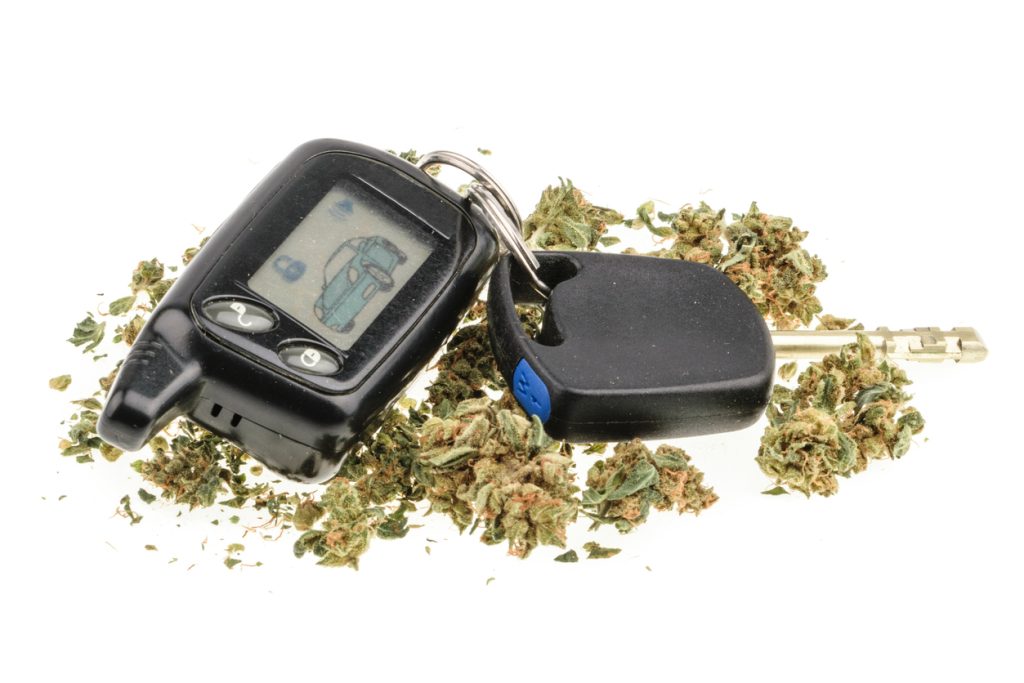
Cannabis may be legal for adults 21+, but driving while impaired is illegal in New Jersey.
Cannabis affects everyone differently. It can slow reaction time, reduce coordination, and impair judgment and attention — all skills needed for safe driving. The type of product, THC concentration, and individual body chemistry can influence how long impairment lasts.
Unlike alcohol, there is no set legal limit for cannabis. Impairment is determined through officer observation and evaluation.
To keep yourself and others safe on the road, do not drive after using cannabis. Arrange for a sober ride home.
Learn more about drug-impaired driving from the National Highway Traffic Safety Administration (NHTSA) here.
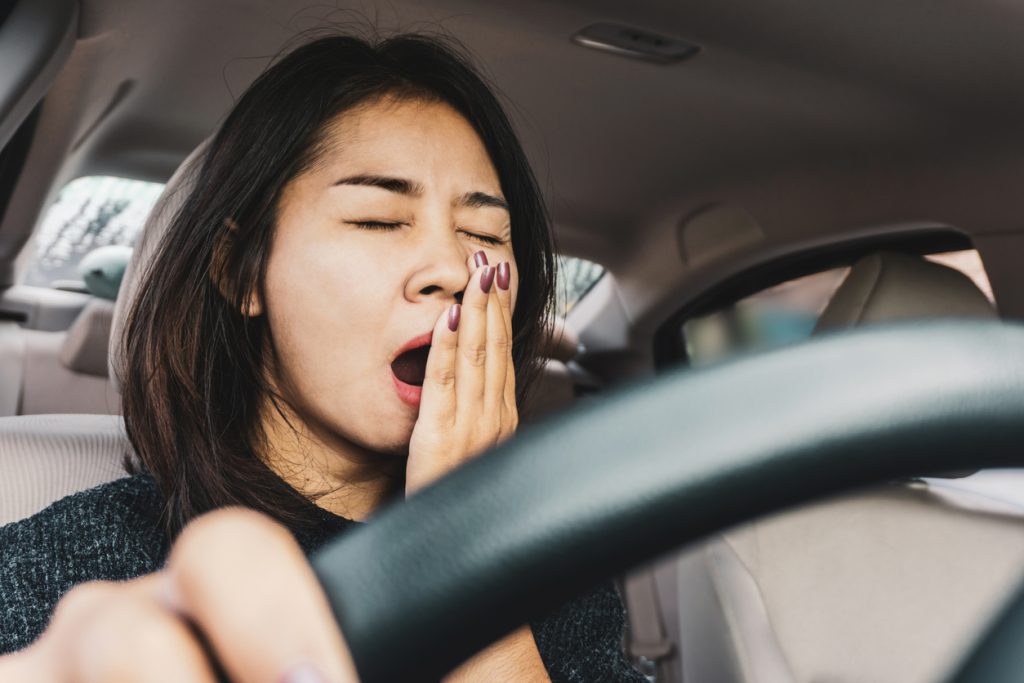
Driving while fatigued can be just as dangerous as driving impaired. According to the National Highway Traffic Safety Administration (NHTSA), drowsy driving slows reaction time, impairs judgment, and affects attention and decision-making.
New Jersey recognizes the risks of fatigued driving under Maggie’s Law, which allows a driver who has been awake for more than 24 consecutive hours and causes a crash to be charged with reckless driving.
Warning signs include:
- Frequent yawning
- Drifting between lanes
- Missing traffic signs
- Trouble remembering the last few miles
If you feel tired, do not push through. To keep yourself and others safe on the road, pull over safely, switch drivers if possible, or delay your trip.
Learn more about drowsy driving risks from the National Highway Traffic Safety Administration (NHTSA) here.