
Learn the Rules. Build Safe Habits
Learning to drive is an important milestone and one of the highest-risk periods for new drivers. Inexperience, peer influence, distraction, and speeding all contribute to increased crash risk among teens.
New Jersey’s Graduated Driver License (GDL) program is designed to help teens gain experience safely over time.
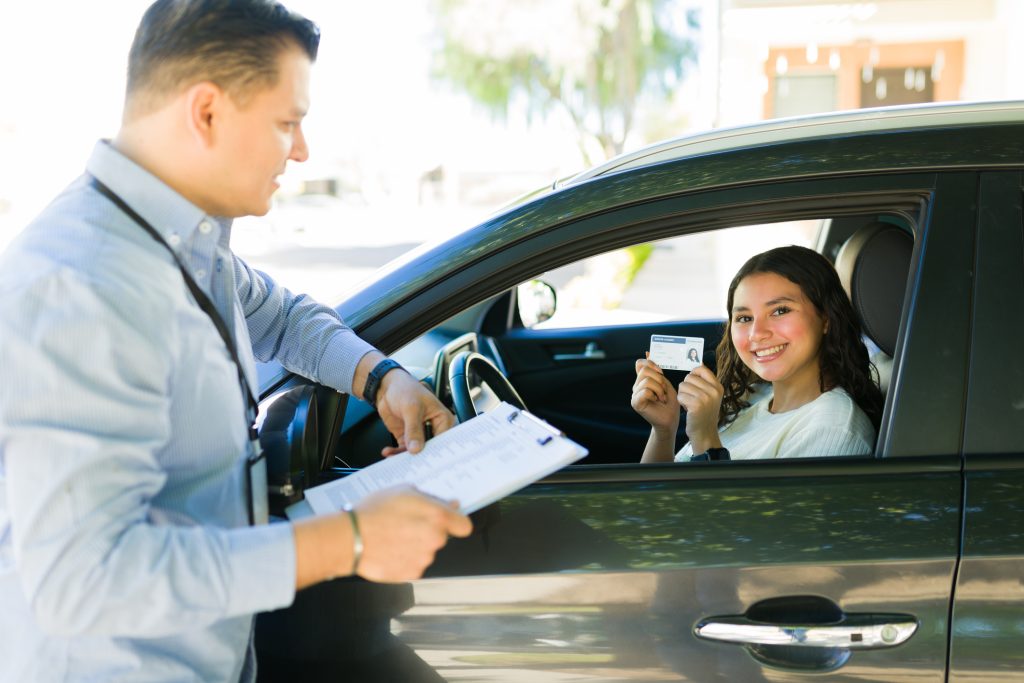
New Jersey’s GDL system places restrictions on teen drivers as they gain experience.
Special Learner’s Permit (Age 16)
- Must complete required supervised driving hours
- May not drive between 11:01 p.m. and 5:00 a.m.
- May not use handheld or hands-free electronic devices
- May not have more than one passenger, unless accompanied by a parent/guardian
- Must display GDL decals on the vehicle
Examination Permit (Age 17+)
- May practice driving without a driving school
- Must follow similar passenger and curfew restrictions
Probationary License
- Curfew restrictions remain in place
- Passenger limits apply
- Electronic device use remains prohibited
- Drivers must maintain a clean record to progress to a basic license
Review the official New Jersey GDL brochure from the NJ Division of Highway Traffic Safety for full details and updates here.
Getting your license is an exciting milestone and a big responsibility. Just like learning any new skill, driving takes practice, patience, and attention to detail.
- Keep phones out of reach — no calls, texts, or hands-free use
- Follow speed limits and adjust for conditions
- Limit teen passengers
- Practice driving in rain, highways, and heavy traffic
- Speak up if you feel unsafe as a passenger
Safe habits formed early can last a lifetime.
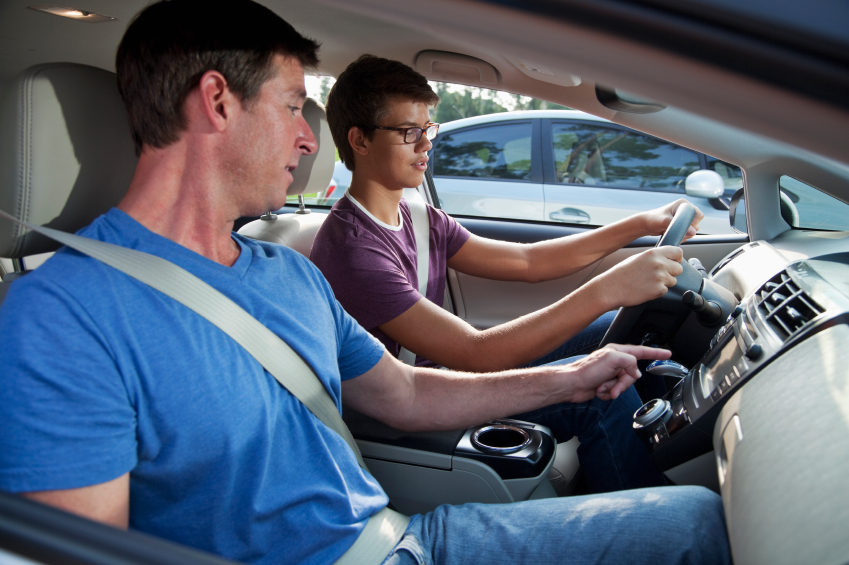
Teens may not always show it, but research consistently shows that parents are one of the strongest influences on teen driving behavior. Clear expectations and active involvement significantly reduce crash risk.
Parents play a critical role in teen driver safety:
- Model safe driving behaviors. Teens are watching.
- Set clear rules about passengers, curfews, speed, and phone use.
- Practice driving regularly in varied conditions, not just for the road test.
- Have ongoing conversations about peer pressure, distraction, and impairment.
New Jersey families and educators can also use NJM’s Share the Keys program, which provides tools to help parents and teens create written driving agreements and set clear expectations.
Staying involved, even after a teen earns their license, helps build safer and more confident drivers.
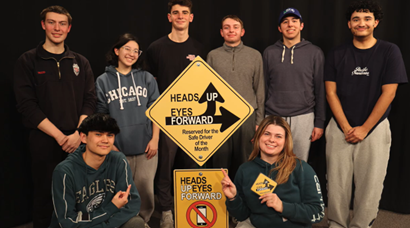
Looking to get involved in your school or community? Join the Champion Schools Program.
The Champion Schools Program empowers high school students to create traffic safety campaigns that matter to them. Through peer-led initiatives and leadership opportunities, teens raise awareness, influence their peers, and compete for prizes.
Teens become advocates for safe driving behaviors while building real-world leadership skills.
Learn more about the Champion Schools Program and how your school can participate here.